
Introduction
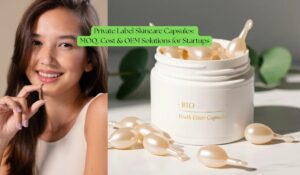
In 2026, skincare capsules continue to grow as a premium product format in the global beauty industry. The success of capsule skincare is not only driven by packaging innovation, but more importantly by ingredient performance and stability.
Because capsule skincare delivers single-dose formulations, ingredient selection must focus on high concentration, stability, and compatibility with capsule systems.
If you are new to capsule skincare, you can read this first:
If you want to understand how capsules are produced, see:
Why Ingredient Selection Is Critical in 2026
In modern skincare development, consumers are more informed and more demanding. In 2026, ingredient transparency and performance have become key decision factors for skincare brands.
For capsule skincare specifically, ingredients must:
- Remain stable in sealed environments
- Deliver visible results in small dosage
- Work without heavy preservatives
- Match premium brand positioning
1. Peptides – The Core Anti-Aging Ingredient in 2026
Peptides remain one of the strongest anti-aging ingredients in 2026 skincare formulations.
They help:
- Stimulate collagen production
- Improve skin firmness
- Reduce fine lines and wrinkles
Peptide-based capsules are widely used in premium skincare brands targeting mature skin concerns.
2. Vitamin C – Brightening & Skin Tone Improvement
Vitamin C continues to be a key ingredient in brightening skincare capsules in 2026.
Key benefits include:
- Skin radiance enhancement
- Dark spot reduction
- Antioxidant protection
However, due to its instability, capsule packaging plays a critical role in preserving its effectiveness.
3. Retinol – Advanced Anti-Aging Active
Retinol remains one of the most effective dermatology-backed ingredients in skincare.
In capsule format, it benefits from:
- Improved stability
- Controlled dosage delivery
- Reduced oxidation risk
This makes it highly suitable for night-use capsule skincare products.
4. Niacinamide – Multi-Functional Skin Barrier Ingredient
Niacinamide is one of the most widely used ingredients in 2026 skincare formulations.
It supports:
- Oil balance regulation
- Skin barrier repair
- Pore appearance improvement
- Brightening effects
Because of its stability, it is widely used in private label capsule skincare products.
If you are planning brand development, see:
Private Label Skincare Capsules
5. Hyaluronic Acid – Deep Hydration Essential
Hyaluronic acid remains essential in hydration-focused capsule skincare.
It helps:
- Improve moisture retention
- Enhance skin elasticity
- Reduce dryness and dehydration
It is commonly used in both entry-level and premium capsule formulations.
How OEM Manufacturers Choose Ingredients in 2026
In 2026, professional skincare capsule manufacturers evaluate ingredients based on:
- Stability in capsule systems
- Market demand trends
- Regulatory compliance
- Cost efficiency
- Brand positioning (luxury vs functional skincare)
Ingredient Trends in 2026
The skincare industry in 2026 is moving toward:
- Peptide complexes for anti-aging
- Microbiome-friendly formulations
- Fermented skincare ingredients
- Clean beauty formulations
- High-stability vitamin derivatives
These trends are shaping the next generation of capsule skincare products.
How Ingredients Connect to Manufacturing
Ingredient selection directly affects manufacturing decisions such as:
- Capsule material type
- Filling temperature control
- Sealing technology
- Stability testing requirements
Why Brands Choose Capsule Skincare in 2026
Capsule skincare continues to grow because it offers:
- Higher ingredient stability
- Premium product positioning
- Strong differentiation in retail market
- Precise dosage control
- Strong appeal in private label branding
Conclusion
In 2026, skincare capsule formulation is becoming more science-driven and performance-focused.
Ingredients like peptides, retinol, vitamin C, niacinamide, and hyaluronic acid continue to dominate due to their proven effectiveness and compatibility with capsule systems.
For skincare brands, choosing the right OEM manufacturer is essential to ensure product stability, performance, and market success.