The beauty industry is an ever-evolving landscape, where understanding product distinctions can shape the success of brands catering to a diverse audience. Highlighter and concealer are two essential makeup products that offer unique yet complementary benefits. Highlighter adds a radiant glow, emphasizing the high points of the face, while concealer serves as a corrective tool, masking imperfections to create a flawless base. For beauty brands, these distinctions are crucial for creating targeted product lines that resonate with consumers. This article delves into the differences, applications, and techniques for highlighter and concealer, and provides guidance on partnering with manufacturers to develop standout products for your brand.
What is a Highlighter?
Definition:
A highlighter is a cosmetic product designed to enhance the natural structure of the face by reflecting light. It creates a luminous glow that draws attention to specific areas, making it an indispensable tool in makeup routines for both everyday wear and professional applications.
Key Features:
Finish Options: Highlighters come in various finishes, including shimmer, metallic, and subtle satin, allowing users to choose the intensity of their glow.
Product Forms: Available in powders, liquids, creams, and sticks to suit different application preferences, ensuring versatility for diverse user needs.
Light-Reflecting Properties: Infused with finely milled particles that catch and reflect light, creating a radiant and sculpted appearance.
Purpose:
Highlighters are primarily used to:
Accentuate the high points of the face like cheekbones, brow bones, and the bridge of the nose.
Add a youthful, dewy appearance to the skin, enhancing its natural radiance.
Complement contouring by enhancing contrast and dimension, achieving a well-defined look.
Popular Applications:
Cheekbones: Apply on the highest point for a lifted, luminous look.
Nose Bridge: Highlight the center for a straighter and more defined appearance.
Cupid’s Bow: Enhance the lips by dabbing highlighter on the upper lip’s center to create a fuller effect.
Inner Eye Corners: Brighten and open up the eyes with a touch of highlighter.
Skin Type Considerations:
Oily Skin: Powder highlighters are ideal to prevent excessive shine and provide long-lasting wear.
Dry Skin: Cream and liquid formulas add hydration and blend seamlessly for a glowing finish.
Combination Skin: Hybrid products that balance shimmer and moisture offer the best results.
What is a Concealer?
Definition:
A concealer is a high-coverage makeup product designed to mask imperfections such as blemishes, dark circles, and redness. It’s formulated to provide a smooth, even-toned base for makeup application and is a staple in professional makeup kits.
Key Features:
Coverage Levels: Ranges from medium to full coverage, catering to varying degrees of skin concerns.
Versatility: Can be used for highlighting, contouring, and even as an eyeshadow primer, demonstrating its multifunctionality.
Shades and Undertones: Extensive shade ranges to cater to diverse skin tones and undertones, ensuring inclusivity.
Purpose:
Concealers serve multiple roles:
Hide blemishes, scars, and hyperpigmentation for a flawless complexion.
Brighten the under-eye area to reduce the appearance of fatigue.
Act as a base for eyeshadows by neutralizing discoloration on the eyelids.
Popular Applications:
Under-Eyes: Brighten and reduce the appearance of dark circles for a refreshed look.
T-Zone: Conceal redness and discoloration around the nose and forehead.
Spot Correction: Cover acne or discoloration with precision, ensuring a natural finish.
Skin Type Considerations:
Sensitive Skin: Hypoallergenic formulas minimize irritation, making them suitable for delicate skin.
Acne-Prone Skin: Non-comedogenic concealers prevent pore clogging and further breakouts.
Dry Skin: Creamy, hydrating options ensure smooth application and long-lasting wear.
Key Differences Between Highlighter and Concealer
The debate between highlighter and concealer is not just about preference; it is about understanding the specific purposes these two products serve in a beauty routine. Each product is designed with a distinct goal in mind, and knowing their differences can help beauty brands educate their customers and design effective products.
Purpose and Functionality
Highlighters are used primarily to add radiance and bring focus to specific areas of the face. The main goal of a highlighter is to create a luminous glow, emphasizing high points. Highlighters are designed to reflect light, giving the skin a dewy, fresh appearance that enhances the overall makeup look.
Concealers, on the other hand, serve a corrective purpose. They are formulated to hide imperfections such as dark circles, blemishes, redness, and hyperpigmentation. Concealers offer more coverage than highlighters.
Texture and Formulation
Highlighters often come in various forms, including powder, liquid, cream, and stick. Depending on the formulation, they can create a subtle, natural sheen or a dramatic, glittery finish.
Concealers, in contrast, are thicker in texture and formulated for higher coverage. They often include skin-nourishing ingredients like hyaluronic acid or vitamins to cater to sensitive areas such as under the eyes.
Shade and Finish
Highlighters are typically available in shades that complement various skin tones, ranging from pearly white and champagne to gold and bronze.
Concealers are primarily matched to the user’s skin tone or a shade lighter. Their finish can range from matte to satin.
Application Techniques
The application of highlighter focuses on specific areas to enhance the face’s structure. For example:
Use a brush or fingertip to apply powder or cream highlighter to the cheekbones, brow bones, and the nose bridge.
Blend gently to achieve a seamless glow without harsh lines.
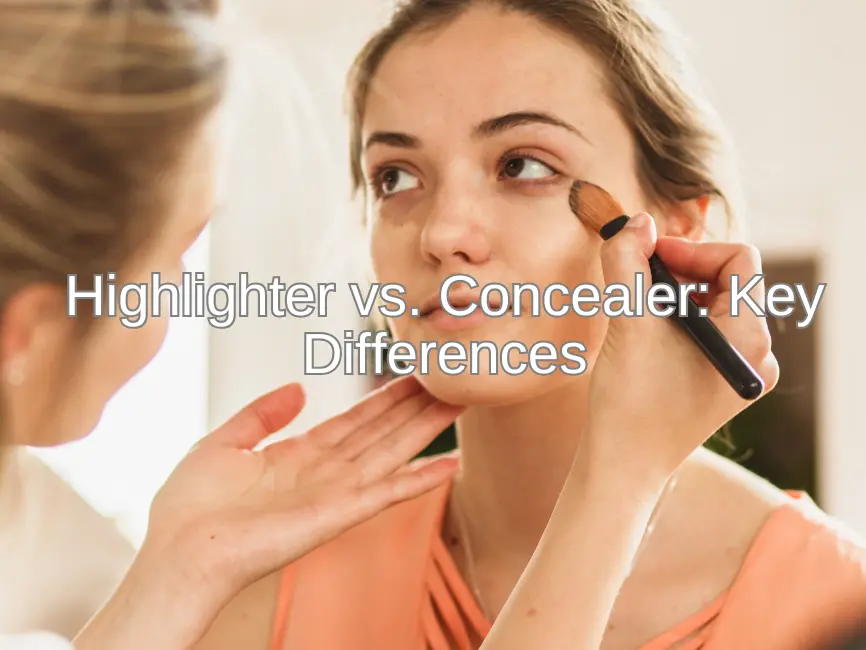
Concealers require precise application for effective coverage. Techniques include:
Dotting the product on problem areas and blending with a brush, sponge, or finger.
Layering for buildable coverage, particularly for dark spots or acne scars.
Target Audience
Highlighters appeal to individuals looking to add dimension and glow to their makeup routine. They are popular among consumers seeking a youthful, radiant appearance and those who enjoy experimenting with their look.
Concealers, however, cater to a more universal audience as they address common Skincare concerns. Their practicality makes them a staple product in almost every makeup kit.
How Highlighter and Concealer Complement Each Other
While highlighters and concealers serve different purposes, they work synergistically to enhance the overall makeup look. A concealer provides a flawless base by covering imperfections, while a highlighter adds dimension and radiance. For instance:
Use concealer to neutralize dark under-eye circles and create an even base.
Apply highlighter above the cheekbones and on the brow bones to draw attention to these areas, creating a balanced look.
Combining these two products can achieve a polished, professional finish that appeals to makeup enthusiasts and professionals alike.
The Role of Highlighters and Concealers in Beauty Branding
For beauty brands, highlighters and concealers represent unique opportunities to address consumer needs. Understanding their differences can guide product development and marketing strategies:
Highlighters: Highlight innovation in textures and finishes to appeal to diverse consumer preferences. Emphasize their role in achieving trending makeup looks like “glass skin” or “strobe effect.”
Concealers: Focus on offering inclusive shade ranges and multifunctional benefits, such as hydrating or anti-aging properties. Position them as everyday essentials for flawless skin.
By catering to these distinct demands, brands can capture wider market segments and build customer loyalty.
Trends in Highlighter and Concealer Products
1. Sustainable Beauty:
Recyclable and biodegradable packaging options.
Cruelty-free and vegan formulas gaining traction.
2. Hybrid Products:
Combination of skincare and makeup, such as concealers with SPF or highlighters infused with skincare ingredients.
3. Expanded Inclusivity:
Broad shade ranges to ensure representation for all skin tones.
4. Advanced Formulations:
Long-wear, waterproof products designed to withstand various conditions.
Common Mistakes When Using Highlighter and Concealer
1. Over-Application:
Highlighter: Too much shimmer can highlight texture and pores.
Concealer: Excess product can crease and appear cakey.
2. Shade Mismatch:
Highlighter: A shade too light or dark can disrupt the desired glow.
Concealer: Incorrect undertones can result in an unnatural look.
3. Lack of Blending:
Failing to blend highlighter or concealer properly creates harsh lines and uneven finishes.
4. Ignoring Skin Prep:
Neglecting moisturizing and priming affects product performance and longevity.
Conclusion
For beauty brands aiming to make a mark in the industry, understanding the nuances of highlighter and concealer is essential. These products serve unique purposes but work harmoniously to enhance and perfect the skin. By combining innovative formulations with inclusive shade ranges and sustainable practices, brands can create products that cater to a diverse and evolving audience.
Collaborating with reliable manufacturers ensures that your brand delivers quality and innovation to consumers. Ready to elevate your product line? Start your journey with trusted partners who bring your vision to life.
If you have any questions or need guidance on developing high-quality highlighter and concealer products, feel free to contact Opseve. Our team of experts is ready to assist you in creating standout cosmetics that meet your brand’s vision. Reach out today to explore how we can support your journey in the beauty industry.