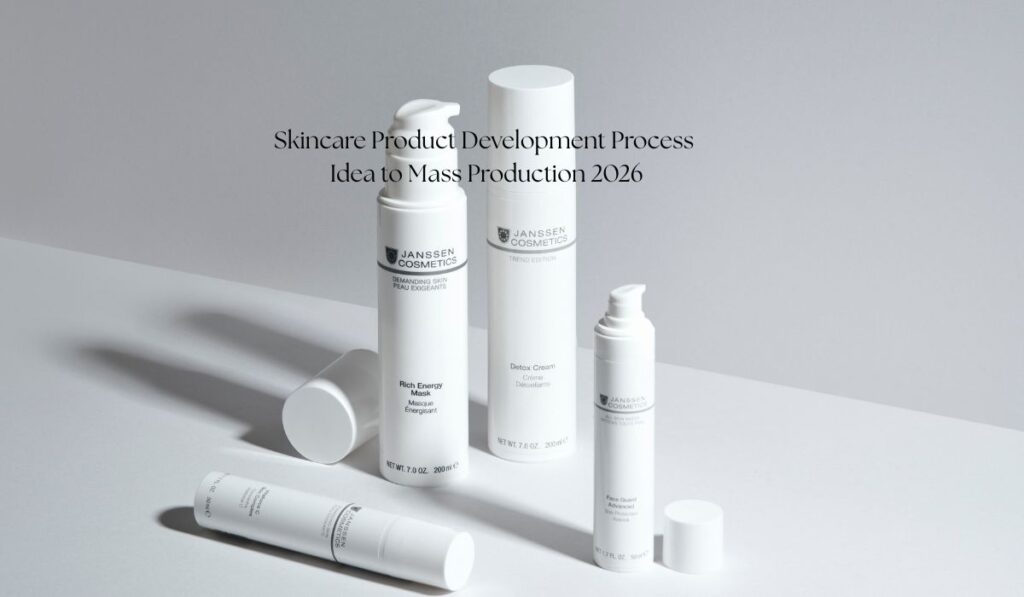
Developing a skincare product in 2026 is a structured process that combines market research, formulation science, manufacturing capability, and regulatory compliance. For beauty brands, understanding this process is essential to avoid delays, reduce cost, and ensure successful product launch.
A professional skincare manufacturer does more than production. It supports brands throughout the entire development journey—from initial idea to final mass production.
This guide explains each stage of skincare product development in 2026, helping brands understand how OEM and ODM processes actually work in real manufacturing environments.
1. Product Concept and Market Positioning
Every skincare product begins with a clear concept. Before formulation or packaging decisions are made, brands must define:
Target customer segment
Product function and benefit
Price positioning
Competitive differentiation
Strong positioning ensures the product is aligned with real market demand rather than assumptions.
For example, brands entering functional skincare often need to evaluate cost structure early in development. You can understand more about cost factors here:
2. Formula Development Stage
Once the concept is defined, the next step is formulation development.
In OEM skincare manufacturing, manufacturers often provide existing base formulas that can be adjusted according to brand requirements. In ODM development, entirely new formulations are created from scratch.
Key considerations include:
Ingredient selection
Texture and sensory experience
Stability and compatibility
Target skin concerns
Advanced formulations such as anti-aging serums or acne treatments require stronger R&D support and longer development cycles.
3. Sampling and Product Adjustment
After initial formulation, sample production begins. This is a critical stage where brands evaluate:
Texture
Absorption
Fragrance
Packaging compatibility
Most products require multiple rounds of adjustment before final approval.
During this stage, communication between brand and manufacturer is essential to ensure product expectations are fully met.
If a brand is also exploring category opportunities such as functional skincare products, it is important to align sampling results with market positioning.
4. Packaging Design and Selection
Packaging plays a key role in both branding and product protection.
In 2026, packaging decisions are influenced by:
Sustainability requirements
Consumer experience
Cost efficiency
Brand positioning
Options include airless pumps, glass bottles, recyclable plastics, and refillable systems.
For brands planning full skincare line development, packaging consistency across product categories is important for long-term brand recognition.
You can explore related product development examples here:
5. Stability Testing and Quality Control
Before mass production, skincare products must undergo stability and safety testing.
This ensures:
Formula consistency over time
Microbial safety
Packaging compatibility
Regulatory compliance
In 2026, global markets require stricter documentation, especially for Europe and North America.
Working with a certified skincare manufacturer ensures smoother compliance and reduces regulatory risk during export.
6. Mass Production Process
Once testing is approved, mass production begins.
This stage includes:
Raw material preparation
Batch mixing
Filling and assembly
Quality inspection
Packaging and sealing
Production efficiency depends heavily on order quantity, facility capability, and process automation level.
Brands working with experienced OEM/ODM manufacturers benefit from more stable production timelines and better cost control.
For reference on manufacturing capability, you can view our factory overview here:
7. Regulatory Compliance and Export Preparation
For international skincare brands, compliance is a critical step before market entry.
Requirements may include:
Ingredient documentation
Safety assessment reports
Labeling compliance
Regional regulatory approvals
Manufacturers with global export experience help brands avoid delays and ensure smooth customs clearance.
8. Product Launch Preparation
Once production is complete, brands move into market launch preparation.
This includes:
Marketing strategy
Product positioning refinement
Distribution channel setup
Influencer or retail partnerships
A well-timed launch ensures maximum market impact and stronger early-stage sales performance.
Manufacturing Insight
A professional skincare manufacturer plays a central role in every stage of product development.
At Opseve, we support global brands with full OEM/ODM services, including formulation development, sampling, packaging customization, and large-scale production.
With over 25 years of manufacturing experience and a 35,000㎡ production facility, we help brands transform ideas into scalable skincare products ready for international markets.
Conclusion
The skincare product development process in 2026 is highly structured and requires close coordination between brands and manufacturers.
From concept creation to mass production, each stage directly affects product quality, cost, and market success.
Brands that understand this process early and work with an experienced skincare manufacturer gain a significant advantage in speed, efficiency, and product competitiveness.